Atlas: Using AI to Develop an App for Bodybuilders
Designing a workout tracking app that makes progressive overload simple, helping lifters log workouts, visualize progress, and reach their strength goals.
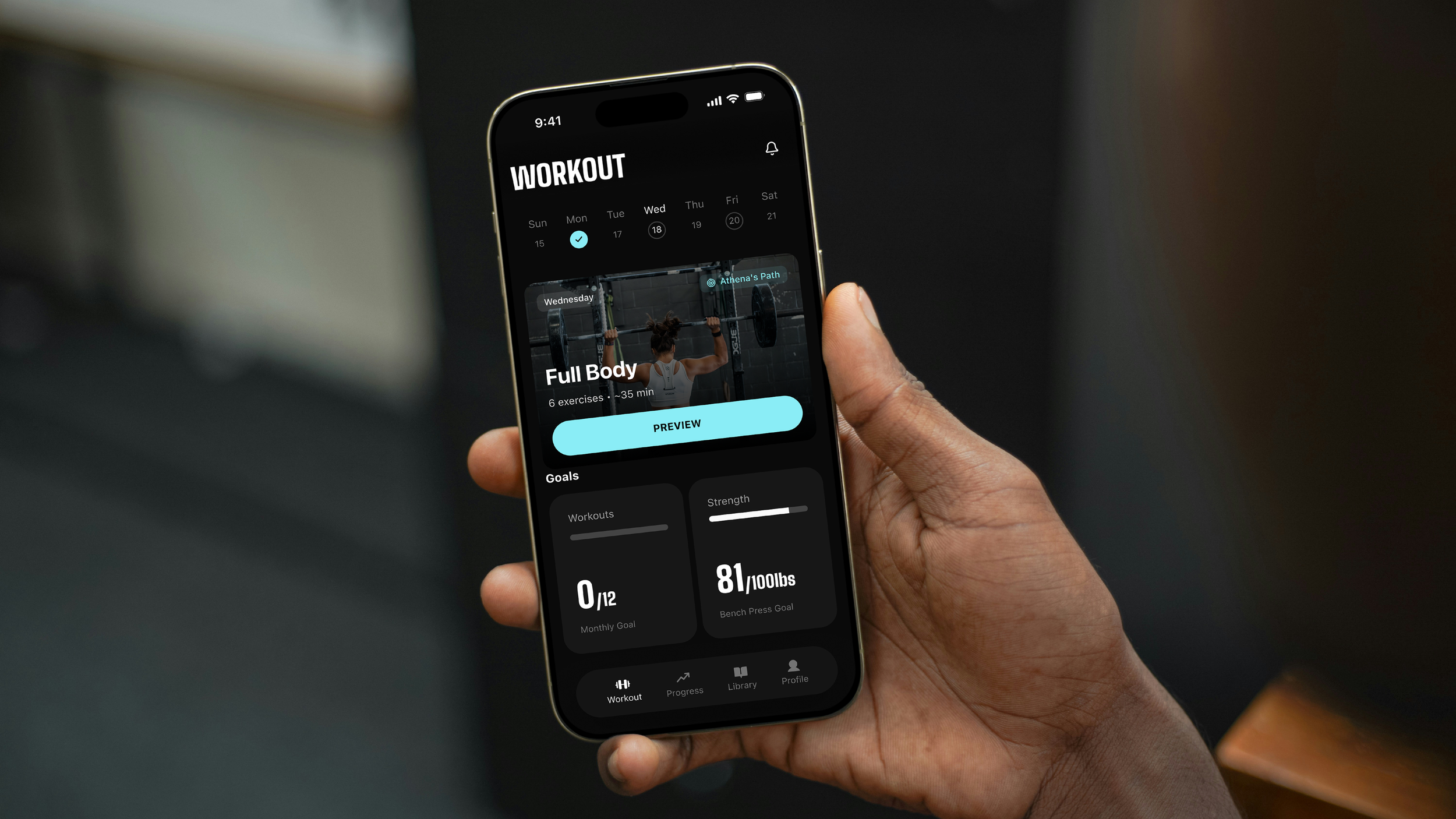
OverviewAfter recently getting into weightlifting, I wanted a simpler way to track progressive overload, the practice of gradually increasing training demands to build strength. That inspired Atlas, a strength training app for beginners. I utilized Figma Make for AI-assisted prototyping, which sped up the prototyping process and allowed me to iterate quickly while refining designs to match my vision and visual style.
User Research, Prototyping
Figma, Figma Make
TimelineContextToolsRoleAcademic Project
8 Weeks, Fall 2026
The ProblemBodybuilders struggle to consistently track their workouts and stay motivated due to complicated and time-consuming fitness tracking tools.
DiscoverUser Survey
To learn more about user needs, I conducted a survey which I distributed via posters across campus.
The most important insight from this research was the gap between high motivation and consistency.
61%
"Yes, always" think about progressive overload.
87%
Found seeing progress "Very important."
“Staying consistent” was the most common challenge reported by respondents.
User Interviews
I conducted interviews with both beginner and experienced weightlifters to understand their tracking habits and overall weightlifting routines. These were my main take
Users rely on memory or “feel” instead of logging.
“I just go off what I did last week… I try to remember the weights.”
Seeing progress keeps users motivated.
“Sometimes I don’t see progress and start losing hope.”
Users like instruction but dislike rigid limitations.
“Having someone telling me what to do changed everything… I don’t want to think after work.”
DefineUser Persona
Developing a persona helped define the goal and guided a solution focused on the user’s needs.
Visual Direction
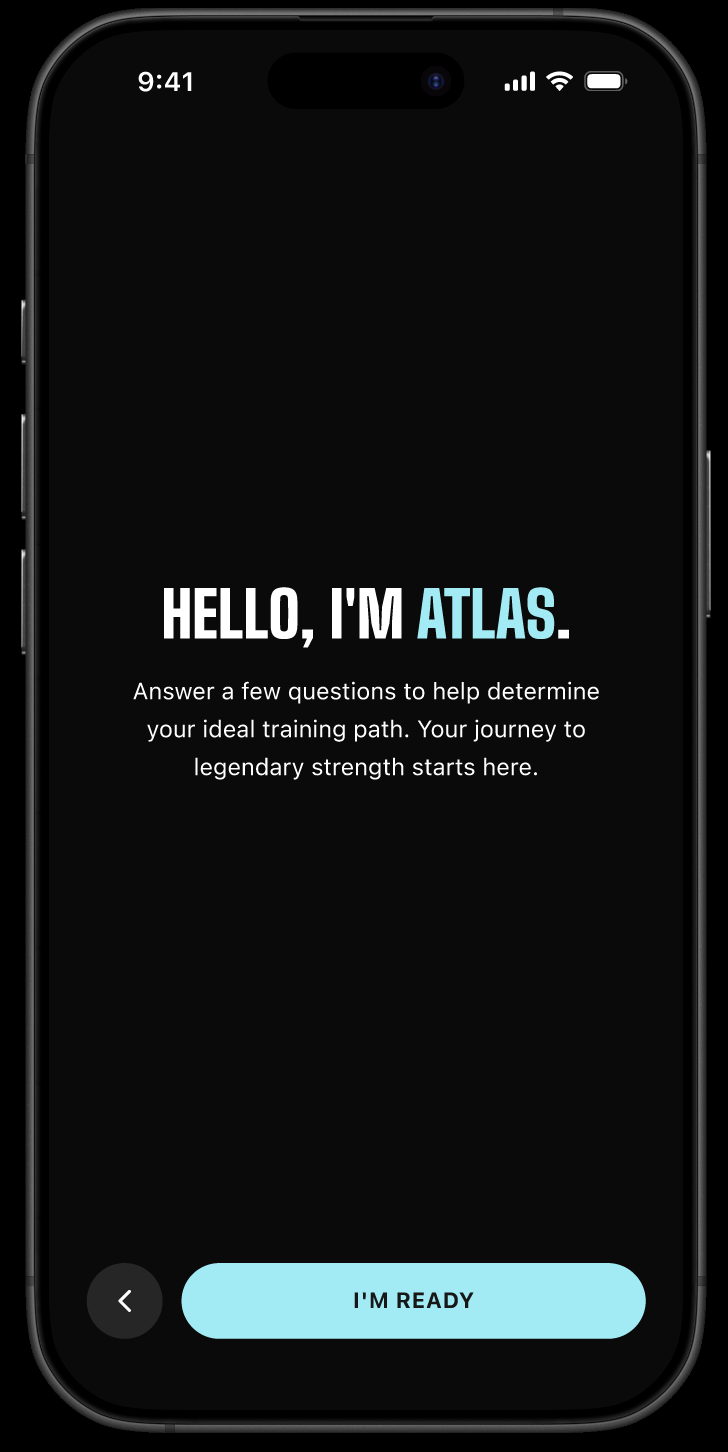
Inspired by Atlas, the Titan who carries the sky symbolizing strength, guidance, and growth.
DevelopWireframes
In my wireframes, I focused on the dashboard, navigation, and the progress screen.
User Testing
Testing with an experienced weightlifter provided valuable insights. I restructured workouts to be seamless and supportive, not a burden during training.
DeliverFinal Interactive Prototype Link
Learnings
Users tend to disengage when tools feel tedious
Visual motivation is highly effective
Early testing helps identify mistakes
Next Steps
Incorporate social features
Provide more guidance on form through educational videos
Offer real coaching support
More Case Studies
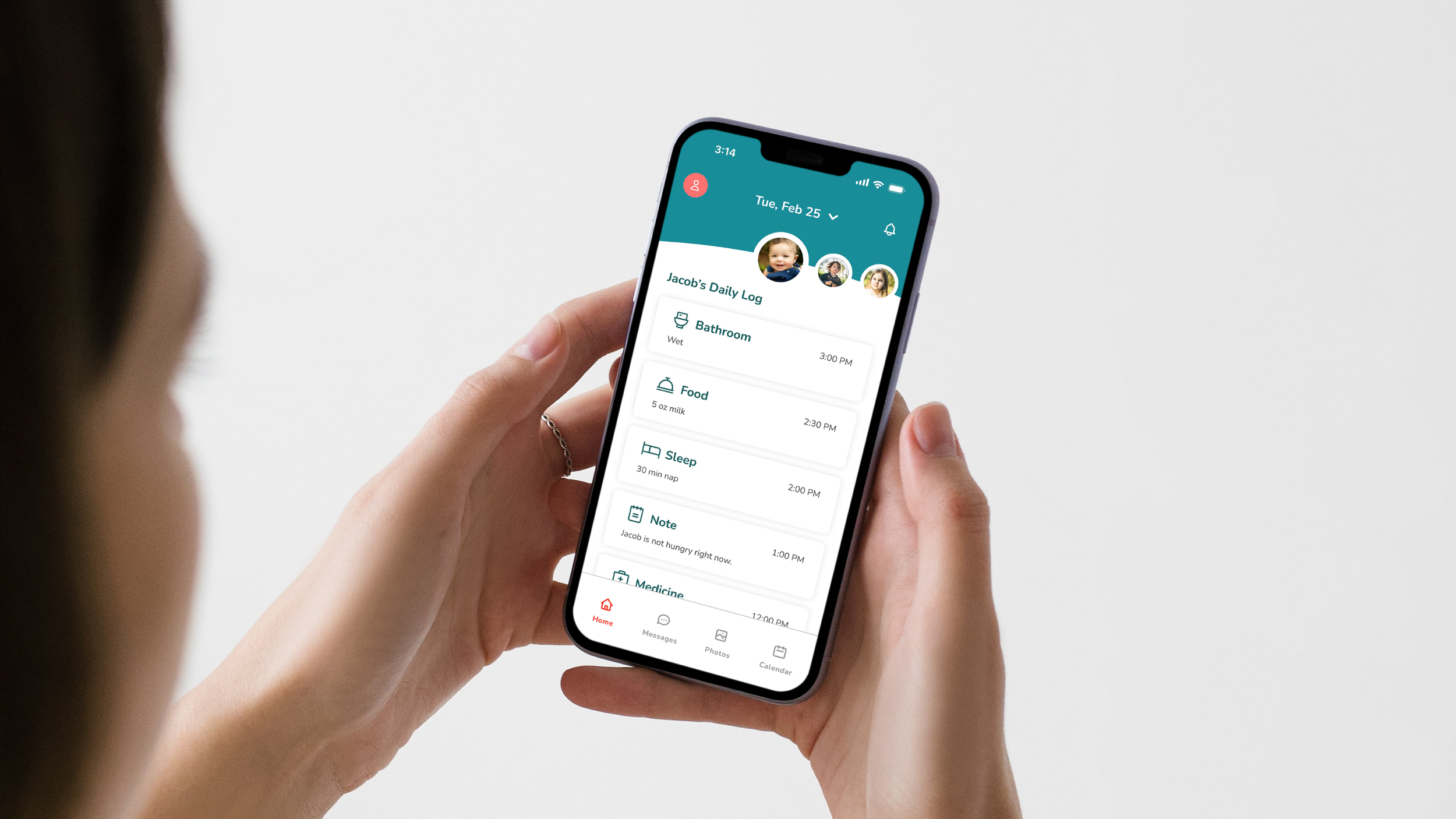
Improving Communication Between Parents and Caregivers
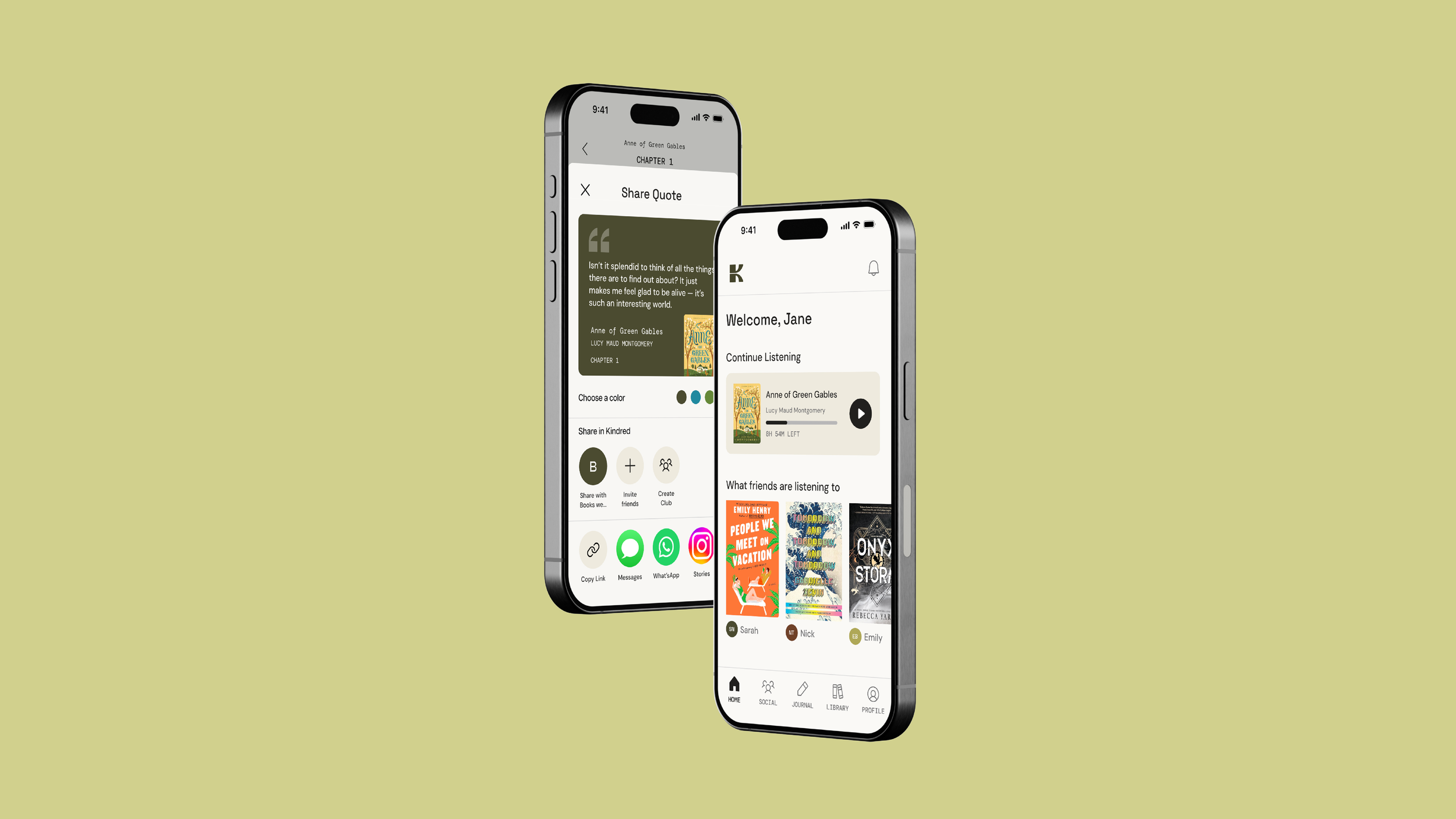
Designing a Social Audiobook Experience
Design Capstone ProjectRedesigning the Goodreads Experience
Mobile UX DesignWeb UX REDesign